Saturday, November 13, 2010

Morpho


I took this pic in the butterfly house at the San Antonio Zoo. This butterfly was so frustrating! It would show its beautiful wings while flying, then close up immediately when it landed, so all I could get a photo of was its camouflaged underside. But this time, it landed in the bushes, and the foliage kept its wings open. Ah ha! Got cha!

I thought that the Blue Mopho was the only morpho. Turns out, there are 80 different species, and some are white, not blue. This one may be Morpho richardius, but I really don't know.

That color in the wing is not pigment, but what the entomologists call structural color. It is like a rainbow in the sky or on the surface of a compact disc. When you move the disc, the color moves, and it is clear that it is a type of reflection, not a pigment that is on the disc. Well, butterflies have scales on their wings that reflect in certain wavelengths, creating certain colors. That is how the blue in the morphos are formed.

I just learned in wikipedia that the caterpillars defend themselves by smelling of rotten butter and squealing when touched. Most butterflies can't hear. I wonder if they can hear themselves.....?.........

Friday, November 12, 2010

Green Anole


The Zilker Botanical Garden in Austin has its own special reptile, just like the UC Botanical Garden has the Western Fence Lizard. I several of these dinky green girls around the garden, but most were well camouflaged in the foliage. This one, out on a rock, was displaying itself prettily. Within Zilker are several theme gardens, including a Prehistoric Garden with plants dinosaurs ate, an Herb Garden, a Japanese Garden, a Rose Garden, and a Butterfly Garden. Very lovely, with lots of shade and pools, but rather noisy because of the freeway and the parking lot is a bit small. But we were lucking and found a spot to park and had a great time wandering the grounds.

I think this is a Green Anole, but I am not absolutely positive. The Green Anole is very common is Austin, lives in suburban gardens, and eats insects. If you think it is something else, let me know.

Thursday, November 11, 2010

Queen


Everybody else ignored the Queens on the NABA field trips, but, WOW! They are big and beautiful. And in most places where we stopped, there were clouds of them. In a room size patch of nectar plants, there were maybe 1-2 dozen butterflies. It was a wonderful sight. Just what people want when they thing of a butterfly garden. Go to Texas and you can have the butterfly garden of your dreams!

In addition to the dozens of Queens, there were usually a few Soldiers, which are very similar. With some help, I finally figured out how to tell them apart. The field trip leaders were so willing to explain things to me.

Wednesday, November 10, 2010

Giant Swallowtail


I think the Giant Swallowtail is spectacular, but they were so common in Texas that people on the NABA trip ignored them in favor of small buff colored skippers that might be something rare. The caterpillars eat citrus, and fruit growers call them "Orange Dogs" because of the damage they cause to the foliage. I suppose this could be a Thoas Swallowtail, but I doubt it.

Tuesday, November 9, 2010

Bordered Patch


I saw a lot of wonderful butterflies while on NABA field trips in Texas. Here is a bordered patch. None of those in Berkeley! According to the Butterflies and Moths website, caterpillars eat plants in the sunflower family, including sunflowers, ragweed, crownbeard and cockleburs. This butterfly is common if parts of the southwestern US.

Monday, November 8, 2010

Emperors


After seeing South Padre Island, I went to the opening of the new Visitors' Pavilion at the North American Butterfly Association's Butterfly Park in Mission, TX. They choose the end of October for this event because it is the best time of all. Butterflies were in abundance! South Texas is entirely different from Berkeley. The flowering plants were swarming with butterflies. And the baits were so thick with emperors that it looked like leaves had fallen on the grapes. It was like being in a well-populated butterfly house, but with no walls or ceiling. Truly an amazing experience!

Sunday, November 7, 2010

Great Southern White


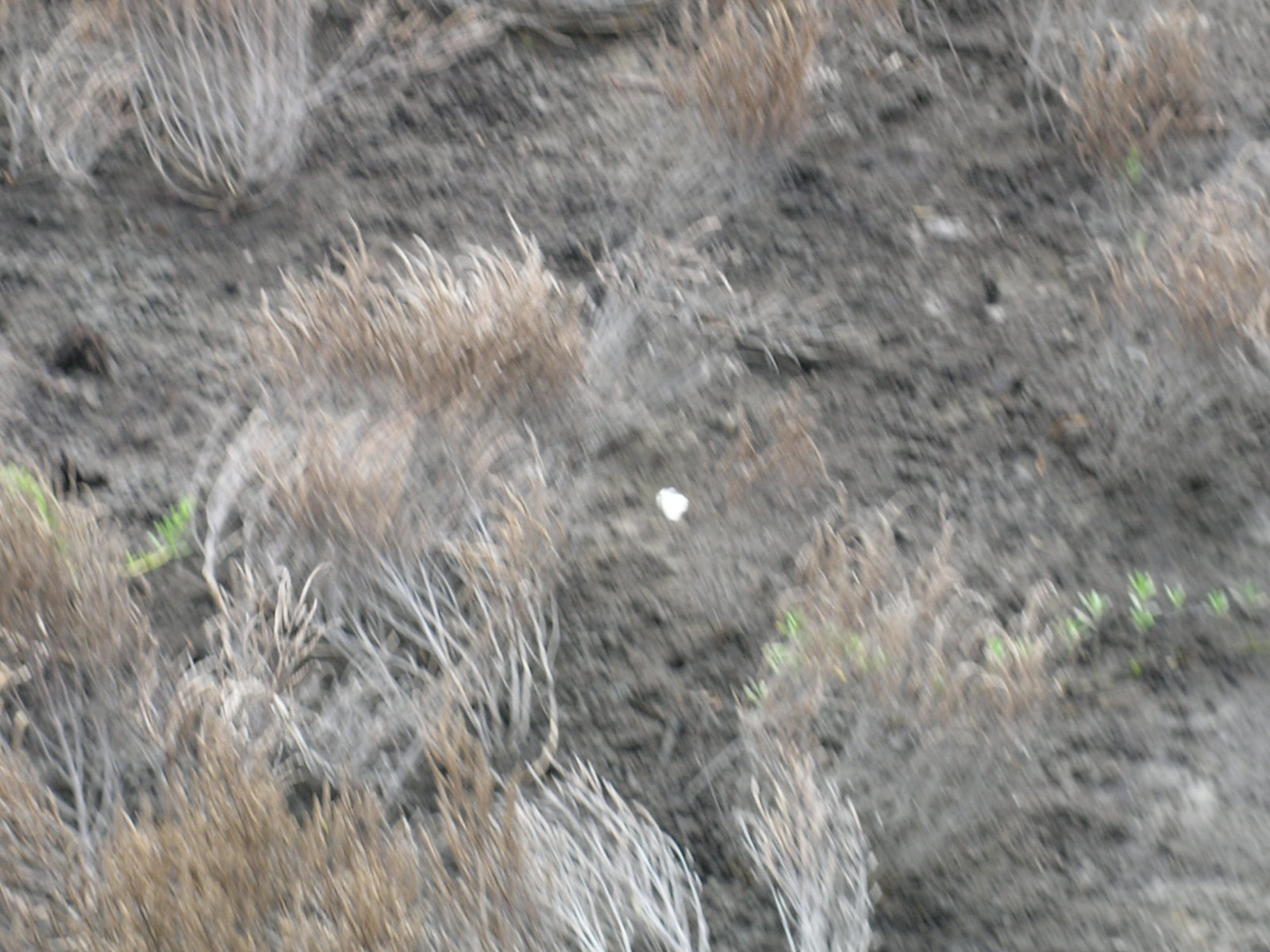
I am just back from Texas, where I spent about ten days. The first night I spent on South Padre Island, and the first day out I went to the World Birding Center. On the boardwalk I saw a few birds, but also Great Southern Whites. (See that white spot in the middle of the first photo? That is a butterfly!) I was surprised to find butterflies in such a marshy area, but a little research revealed that they eat something called "beach cabbage" and besides living in fields and gardens, they frequent salt marshes and coastal dunes. Very lovely butterfly up close. Much bigger and nicer than a cabbage white.