Friday, October 8, 2010

Saccharum sp--Sugar Cane--Poaceae


At the back of the Tropical House at the UC Botanical Garden grows a small bunch of sugar cane. That grassy stuff in the pic may look 2' tall, but it actually is 20'. It gets really big. This grass is native to Indonesia, and Christopher Columbus introduced it to the Caribbean. The climate there was perfect, and it grew well. Eventually, plantations were established. At first, it was the sugar that the Europeans wanted. The cane was harvested and crushed. Then then juice was boiled to reduce water content and produce sugar. After the crystals were extracted, molasses was left. The molasses was considered a waste product until people realized that it was fermenting in the sun and a new alcoholic drink was born: rum. Rum was very popular with the British Navy, because it was cheaper to produce than brandy, the previous favorite. They couldn't put water on the ships, it went bad too quickly. So they drank alcohol instead.

At the same time that sugar cane plantations were being planted, the Spanish were taking gold and silver from the new world to Spain. The pirates intercepted the ships to steal the gold and silver, and sometimes food and drink. The pirates also drank rum, but they didn't limit the
quantities the way the British Navy did, so they used the rum as a way to recruit new people.

Sugar was part of the triangle of trade that was going on during the US colonial period. The sugar was shipped to England, along with tobacco and cocoa. There, they sold the sugar and bought manufactured goods. The manufactured goods were taken to Africa and traded for slaves. The slaves were taken to the Caribbean to work on the plantations. The shippers made money at every stop.

(intoxicating plants)

Thursday, October 7, 2010

Juniperus horizontalis--Juniper--Cupressaceae


Remember the movie, Casablanca? "Of all the gin joints in all the world, she had to walk into mine."? That was Humphrey Bogart speaking of Ingrid Bergman. "And you must remember this: a kiss is just a kiss, a smile is just a smile." What a song!

Anyway, gin is usually made from fermented wheat or rye, which is distilled and then flavored with juniper berries and other herbs and spices. Originally, the juniper berries were used because they were believed to have medicinal properties. American Indians used them as a diuretic, and to treat stomach aches and colds. In ancient Greece, they were used to increase physical stamina. I guess they thought it worked like steroids! They were also used to treat rheumatism and arthritis. Some websites say it suppresses the appetite, some say it stimulates appetite. Scientists in Britain have found that it reduces blood sugar and can be used to treat diabetes. Juniper is a conifer, and its berries are the only conifers parts that are used for flavor. Juniper berries are also used to flavor meats and vegetables.

Gin was popular during the prohibition because no aging was necessary. If you are trying to hide production, you don't want casks sitting around in a huge warehouse. So why was it called bathtub gin? Seems like everyone thinks it was because it was made in bathtubs. I used to think that, too. But no. It was because it was put into tall bottles, that needed to be topped off with water, and they wouldn't fit under the sink faucet, so they topped them off in the tub. Live and learn!

(intoxicating plants)

Wednesday, October 6, 2010

Agave tequilana cv Limeno--Agavaceae


Tucked away between the office and the arid house at the UC Botanical Garden is this variegated form of the agave used to make tequila. The alcohol is handmade by people who have tended the plants for generations. They have to know when the sugar content has peaked; at that moment, the plant is removed from the ground and all the leaves are removed from the plant. The core that is left (which weighs about 100 pounds. The plant in the garden is a baby!) is shredded and fermented. The alcohol produced is then distilled and aged to create Tequila. The workers who tend the plants also have to know how to harvest the pups without damaging the plants. The pups are then replanted and grown for about 10 years to attain adequate size for harvest.

Ever wonder about the worm at the bottom of the bottle? That is a marketing scheme created in the 1940s to get people to drink more tequila. Men seem to need to get drunk to consume the worm. And they need to consume to worm to prove how big and strong they are. So worms lead to more tequila sales. Great trick, huh?


(intoxicating plants)


Tuesday, October 5, 2010

Lady Caterpillar in Malva Crispa


This is a better picture of the lady. It could be a painted lady or a west coast lady. It looks big, just about ready to pupate, so I think even though most of the food plant is gone, it will be okay. I bet when I check on it next time, it will not be there. Time to wander and pupate!

Monday, October 4, 2010

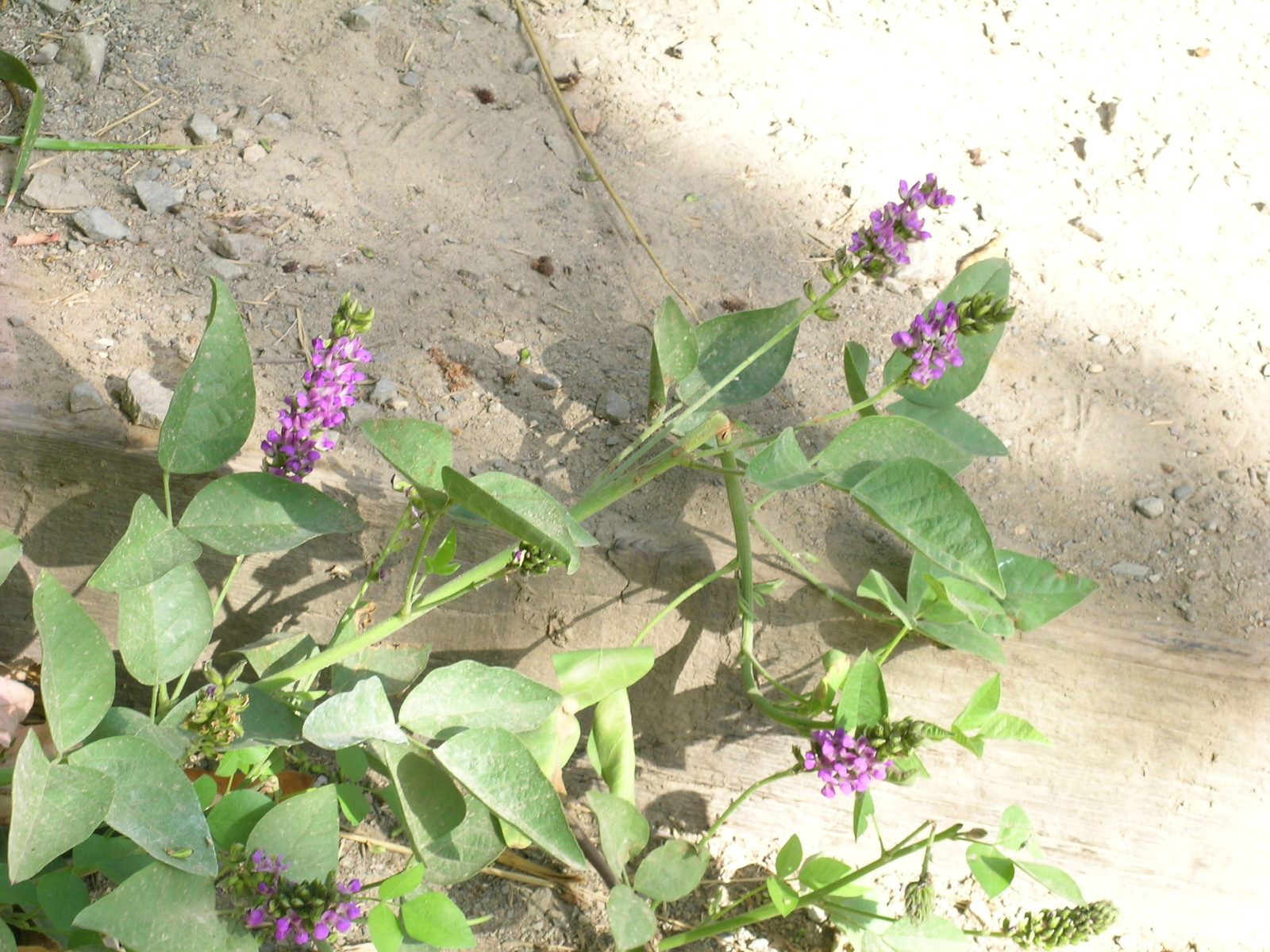
Hoita macrostachya--Leather Root--Fabaceae


Leather Root, also known as Psoralea macrostachya) is now blooming at the UC Botanical Garden. The lavender flowers are quite pretty draped over the steps just downhill from the conference center. It is near the creek, which is a normal habitat for this plant. It looks great now, but it is deciduous, so I don't know how it looks in winter. Indians used the fiber of the roots to make rope. I guess that is why it is called "Leather Root."

Sunday, October 3, 2010

Butterfly Class at the Bot Garden


On Friday, Andy and I taught two butterfly classes at the UC Bot Garden. The kids were from Cathedral School in San Francisco. All Boys! They mostly sat through the 15 minute video and were pretty good with the live specimens. There was a bit of a concern about the homosexual butterflies. I might have to narrate live next time. Then yesterday (Saturday) I did a walk for Audubon. The people who came liked seeing the live specimens. But the parking lot got crowded and not all who drove up were able to attend. I hope they are able to come to my last butterfly walk of the season, 26 October, 2010 at 3 pm.

Friday, October 1, 2010

Cleyera japonica var Grandiflora


This tree in the UC Botanical Garden is labeled Cleyera japonica. When I walked under it on those recent hot days, the fragrance was so strong and heady! It must be at least 30' high, I can't even reach the lowest branches. But when I look the that name up on the internet, it is described as a bush about 15' tall, and in some descriptions the flowers have no fragrance. I think maybe it is labeled wrong. My friend, however, insists that it is just a shrub that has grown extra large and has extra nice flowers. In any case, this tree has many beautiful flowers and now is the right time to find it. If anyone can solve this mystery, you know where to reach me!